


Art at KIX - KIX CULTURE GATE Project Phase 4

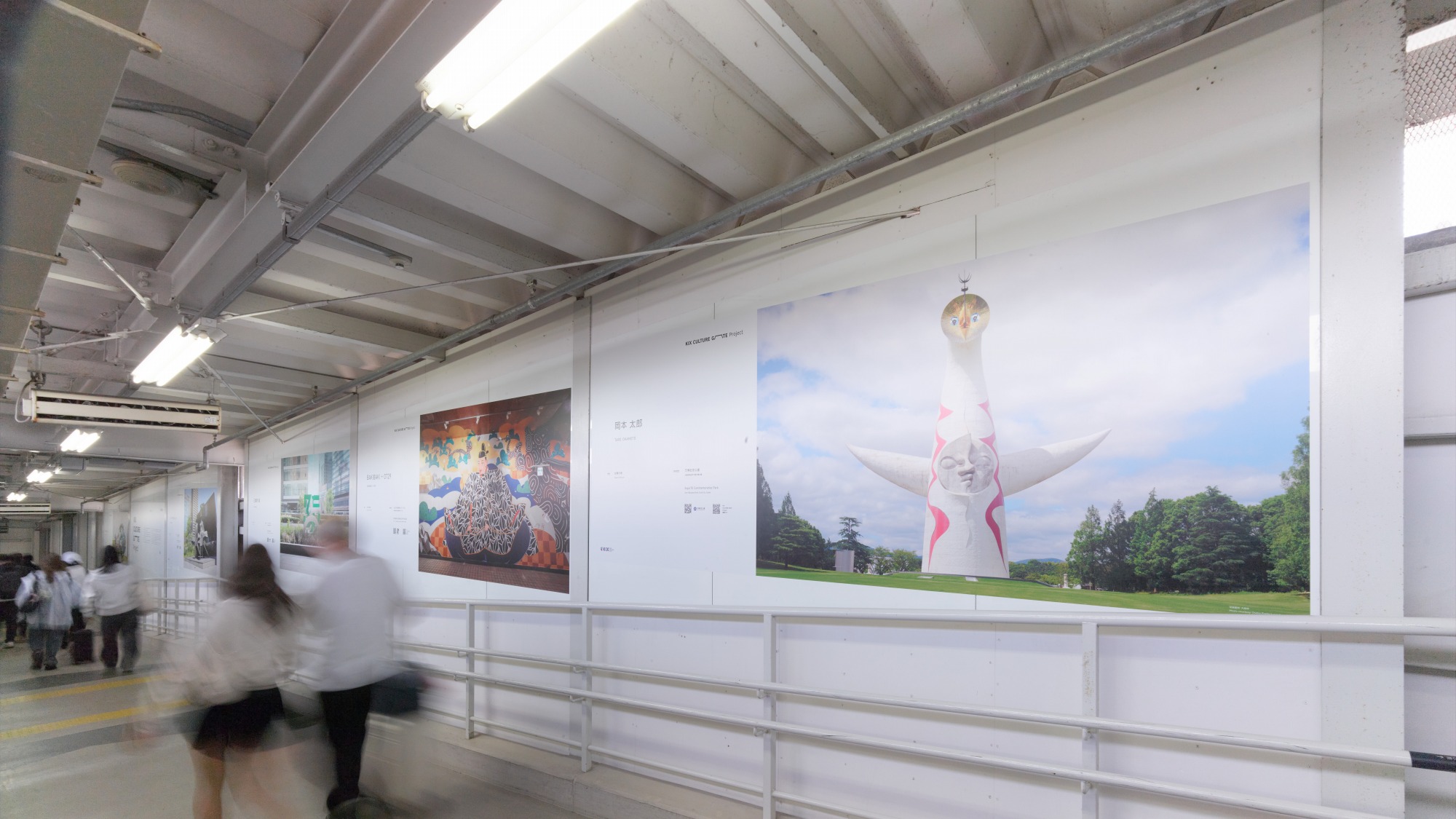
KIX CULTURE GATE Project is an initiative to showcase the rich and diverse culture of Kansai and Japan, based at Kansai International Airport (KIX), where travelers from around the world come and go.
This time, photographs of public art installed across the Kansai region are on display in the domestic arrivals area of Terminal 2. By encountering these artworks at the airport—the starting point and gateway of a journey—visitors are encouraged to visit and appreciate the original works on site, whether along the way to their destination or before and after their trip. This initiative offers a new travel experience that allows visitors to enjoy art as part of their journey.
The exhibition features works by eight artists, ranging from iconic figures representing the Kansai region to contemporary artists who bring public spaces to life today. These encounters with art at the airport serve as a gateway to discovering new facets of Kansai’s cultural appeal.
As a step toward evolving the airport into a platform for cultural exchange, KIX CULTURE GATE Project will continue to enhance the appeal of the airport and provide exciting experiences that make travel even more enjoyable.
ART WORKS
The Kitchen of the Nation
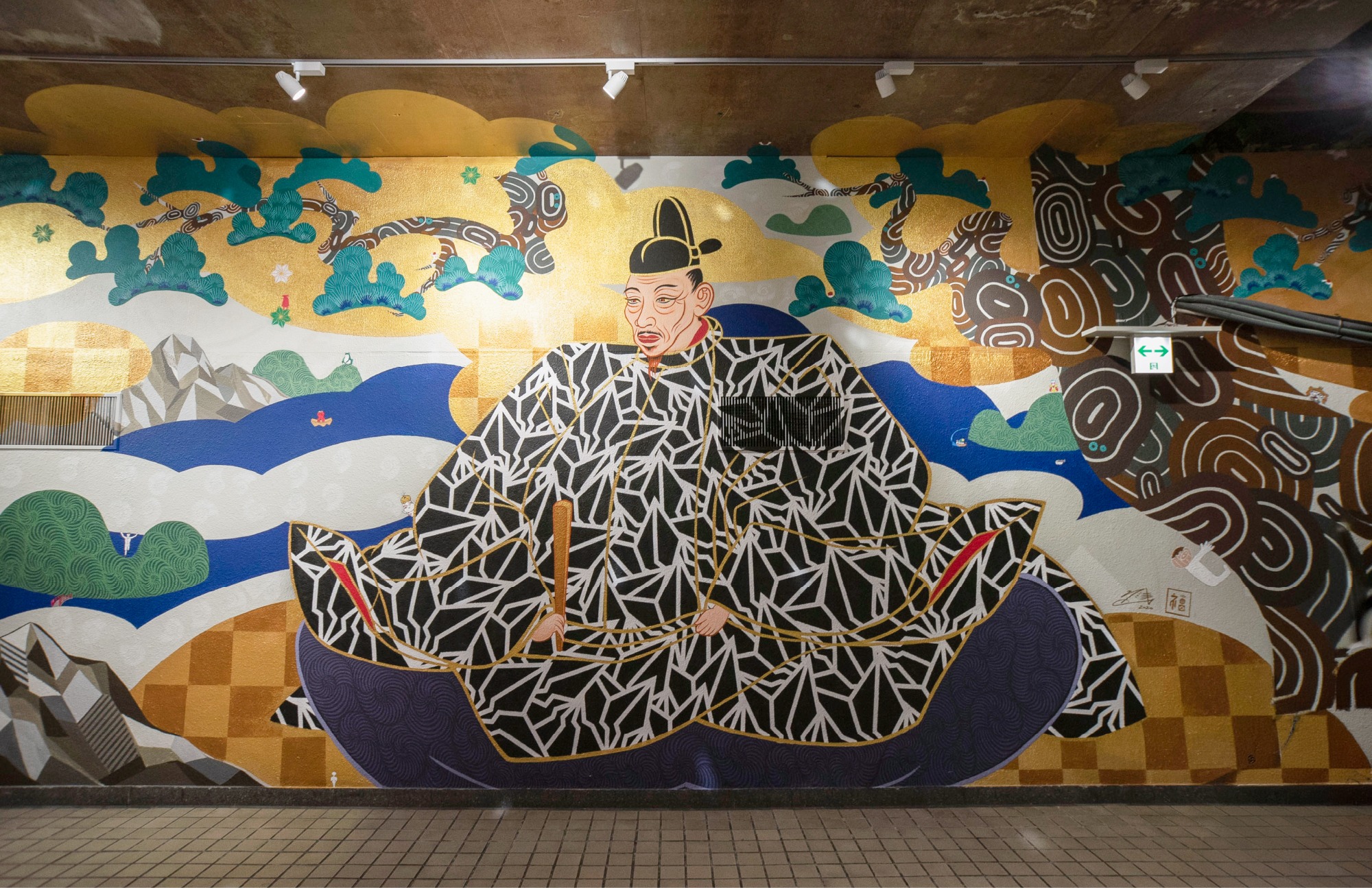
Building upon a foundation of history and tradition while infusing new allure and potential, Semba Mural Park is a space in constant evolution. This singular destination embodies that spirit through the transformative power of art. Along with its grand-scale murals, the park integrates immersive video content to offer visitors a unique blend of "serenity and vitality." At Semba Mural Park, how you spend your time—and with whom—is entirely yours to define.
BAKIBAKI+OT29
BAKIBAKI
Born in Osaka in 1978. Inspired by Japanese subculture, BAKIBAKI has developed his signature style, the "BAKI pattern"—a modern evolution of traditional Japanese motifs. His ambition is to establish this pattern as a defining Japanese design of the 21st century. While his roots lie in the high-energy live painting scenes of clubs and music festivals, he now focuses on large-scale murals and public art, expanding his creative footprint across Japan and onto the global stage.
OT29
Formed in Kyoto in 2004, OT29 is a live painting collective driven by a philosophy of "ultra-on-site" performance. Beginning their journey in Kyoto and expanding nationwide, the group is known for their raw, uncompromising energy. Their dynamic presence has earned them international acclaim, featuring in global events such as "Paint for JAPAN" and the "HANDMADE KOREA FAIR 2012." Today, OT29 continues to be a vigorous force in the art world, both in Japan and abroad.
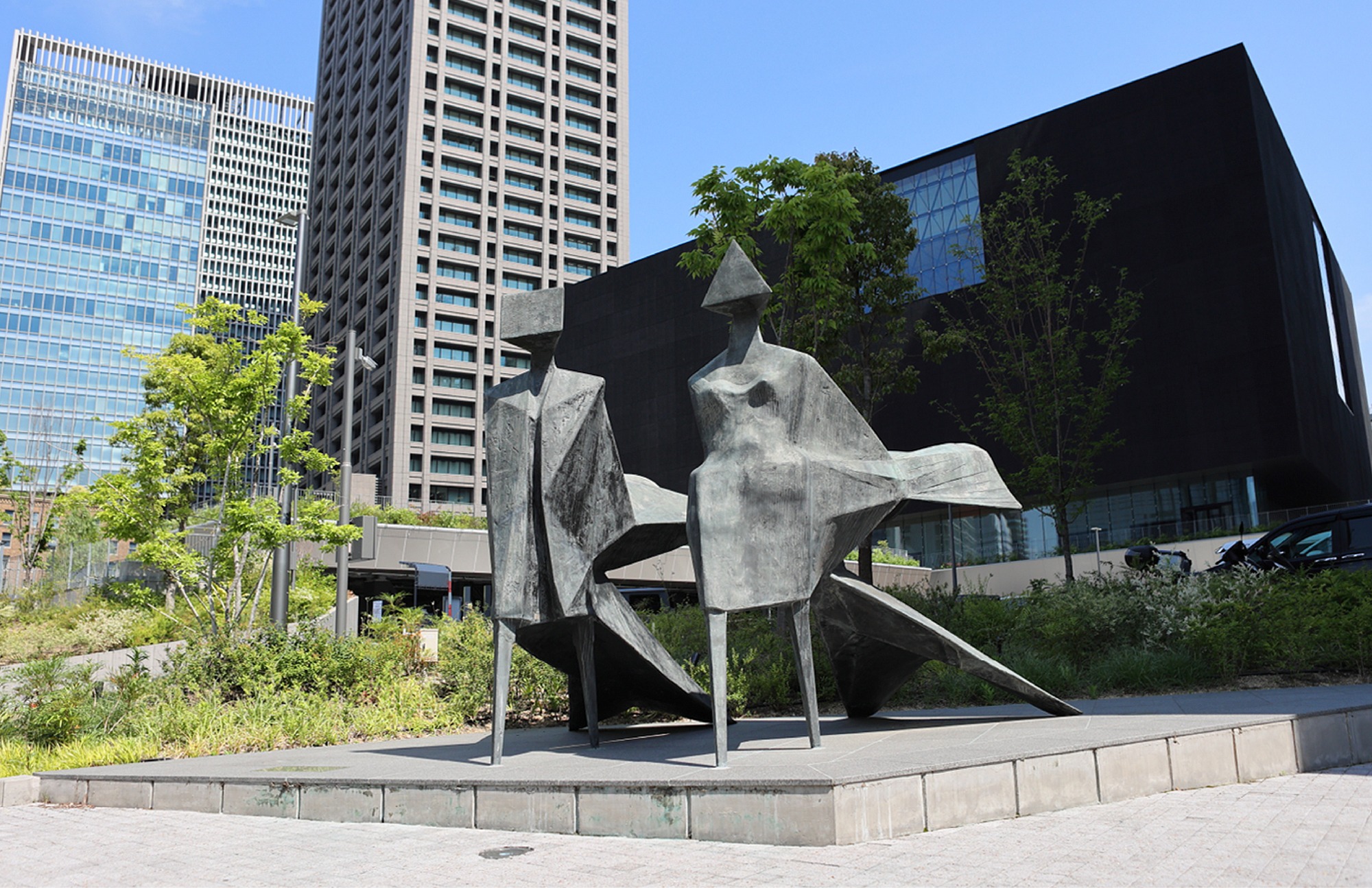
Jubilee Ⅳ
Suggestive of a royal pair, Jubilee VI is part of a representative series that abstracts themes of authority and order while symbolically manifesting the inherent anxiety and tension of the human condition. Lynn Chadwick established his international reputation by winning the International Grand Prize for Sculpture at the 1956 Venice Biennale. This work was conceived within that same artistic trajectory, embodying a sharp sense of volume and tension within its concise composition. Its scale and materiality, specifically intended for outdoor installation, mark a new horizon in the evolution of post-war sculpture.
Lynn Chadwick
Born in Britain in 1914. Drawing on his background in architectural drafting and his experience in the Royal Naval Air Service, Chadwick turned his full attention to sculpture in the post-war era. As a movement emerged in 1950s Britain toward more structural and tension-filled forms, he became a central figure of the period. By constructing human figures through skeletal frameworks of welded iron and angular planes, he followed Henry Moore in pioneering new horizons for outdoor sculpture.
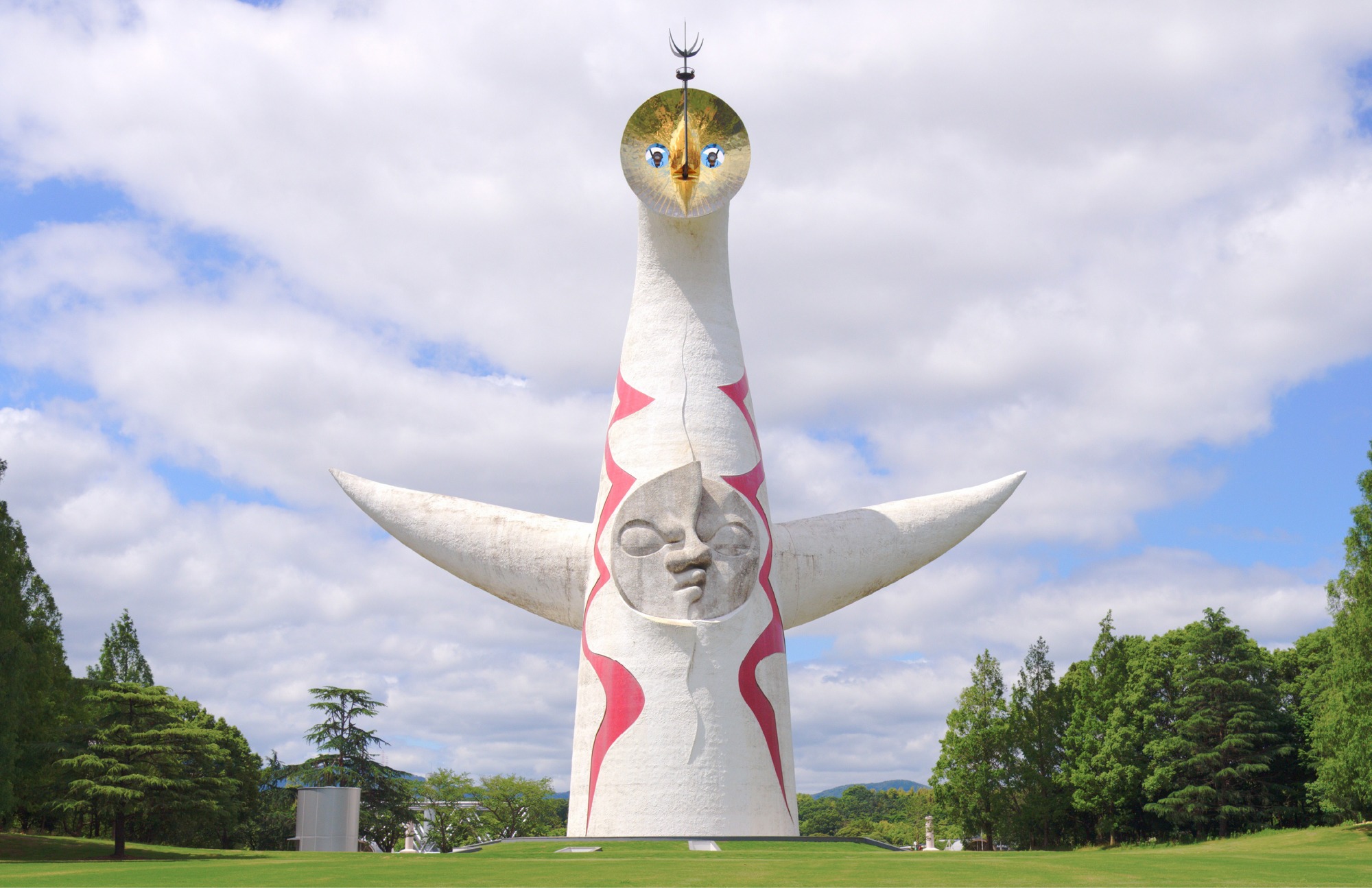
Tower of the sun
The tower features three distinct faces: the gleaming "Golden Mask" at the summit, representing the future; the "Face of the Sun" on the front, representing the present; and the "Black Sun" on the back, symbolizing the past.
The structure is built of steel and reinforced concrete, with sprayed concrete utilized in certain sections to reduce weight. The interior is hollow and originally served as a vital circulation path connecting underground and aerial exhibits during the exposition, while also functioning as an exhibition space showcasing the evolutionary process of life. Following the conclusion of the Expo, the interior remained closed to the public for nearly 50 years.
The "Tower of the Sun" is a symbol of the universal energy that flows through the past, present, and future, while simultaneously representing the epicenter of life and celebration. During the exposition, it left a profound and lasting impression on the approximately 64 million visitors in attendance.
TARO OKAMOTO
Taro Okamoto (1911–1996) was a prominent Japanese painter born in Kanagawa Prefecture to father Ippei Okamoto, a manga artist, and mother Kanoko Okamoto, a poet and novelist. During a ten-year stay in Paris, he was influenced by artists such as Picasso. After returning to Japan, he established himself as a leading avant-garde artist famously known for the phrase "Art is Explosion!" He created iconic works such as the "Tower of the Sun" and was also highly active in writing and lecturing. He remains one of Japan's most representative and celebrated artists.
Osaka
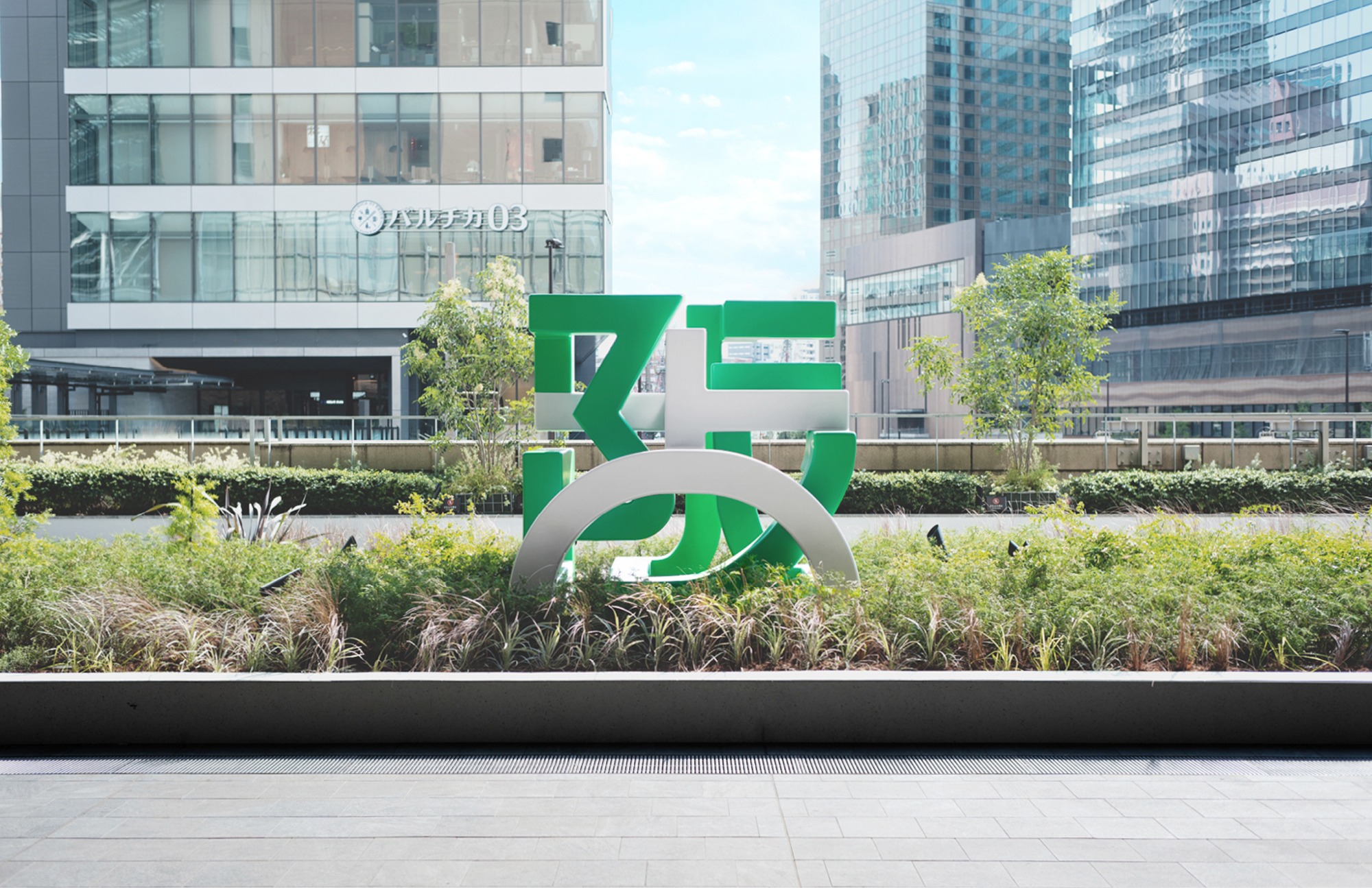
This work takes its inspiration from the play structures that define our childhood memories. Growing up, there was a park nearby with an octopus-shaped slide that everyone affectionately called "Octopus Park." It was common for parks with iconic play equipment to be known by those very features. Drawing on these memories, this piece was created with the hope that it will serve as a modest landmark for the many people visiting the Osaka Station square.
RYU MIENO
A graphic designer based in Kyoto. Their practice centers on typography, specializing in logo design and promotional materials for art and performing arts. Their work is characterized by unique typography inspired by strong, physical lines and planes, as well as the forms and patterns found in flora, fauna, and the natural world.
Suma's Fish
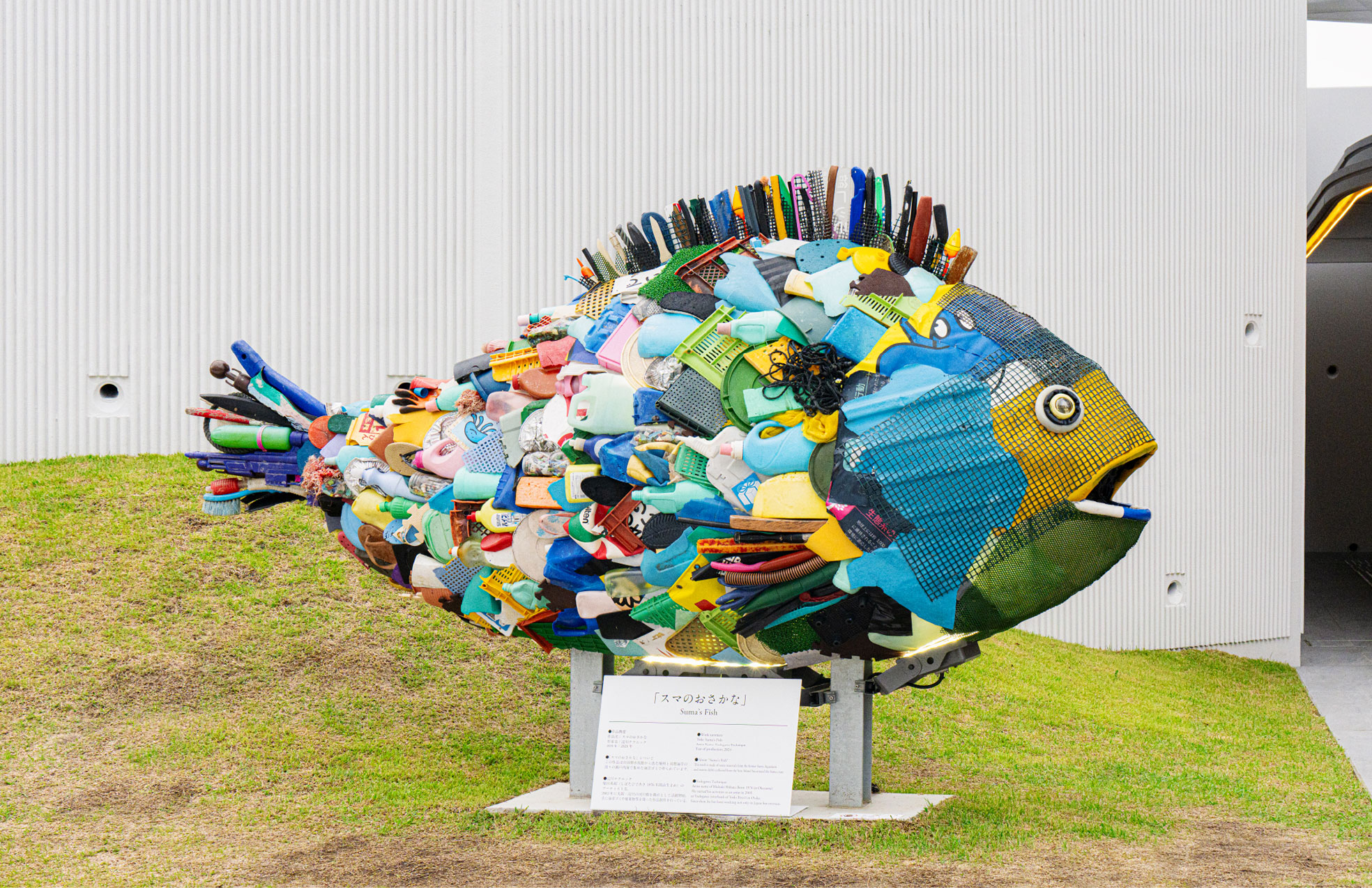
The three-dimensional artwork "Suma’s Fish"(Suma no Osakana) created by Yodogawa Technique is installed along the roadside between Kobe Suma Sea World and the Kobe Suma Sea World Hotel & Resort. The piece is open for viewing by everybody, not just facility visitors. It has become a popular photo spot.
The main materials used in this artwork are waste from the former Suma Aquarium and marine debris collected by Yodogawa Technique from the Seto Inland Sea near Suma Beach. Kobe Umi Sakura, an organization that regularly cleans up Suma Beach also helped to collect materials.
None of the waste used in the piece were artificially colored. By skillfully assembling objects that had once lost their value, the artist has breathed new life into them in the form of a vibrant fish sculpture. This artwork is beloved by many people.
Yodogawa Technique
Yodogawa Technique is the artist name of Hideaki SHIBATA (born 1976, Okayama, Japan). He started his artistic activities in 2003, based along the banks of the Yodogawa (Yodo River) in Osaka. Using materials such as garbage and driftwood, he creates various sculptures. He is skilled in site-specific art, enjoying interactions with local people and local waste. Yodogawa Technique has created numerous works both throughout Japan and internationally.
Life in a Blink
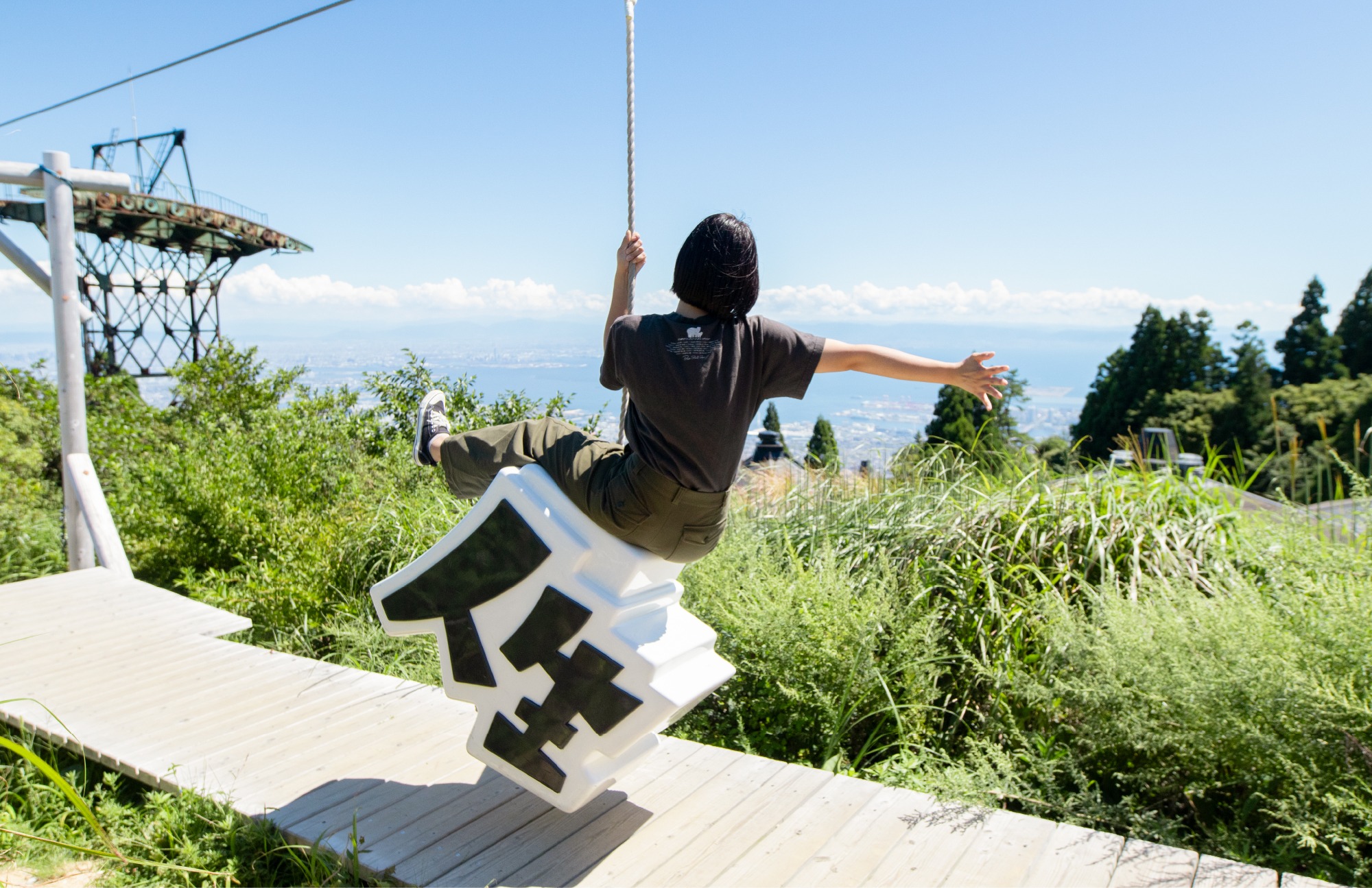
Life in a Blink is an interactive art piece in which viewers physically experience the sensation of time passing in the blink of an eye through a zip line-like journey.
With the addition of "life" as a thematic layer, the experience takes on different meanings depending on the viewer's age. For children, it is a thrilling form of play; for adults, it becomes a fleeting moment of awareness — of how quickly each day passes, of the flow of life itself.
Through a bodily sensation shared by all, Life in a Blink gently invites each viewer to pause and confront the passage of time.
TAKAHIRO SAGAWA
Born in Osaka in 1983 and currently based there, the artist completed their advanced studies at Osaka University of Arts Junior College in 2005. Their work translates the dynamic, perspectival text expressions found in manga into three-dimensional forms, exploring themes of emotion and communication through diverse mediums including sculpture and performance. Through interactive installations that appeal to the delicate and innocent emotions of adolescence and the human experience, they aim for expressions that invite the physical engagement of the viewer. Furthermore, in the "Instant Power Spot" project—where the artist fabricates spiritual "power spots" as works of art—acts of worship and prayer are incorporated as experiential elements. This approach encourages a re-examination of contemporary faith and values through a lens of both humor and critical insight.
Shukobu
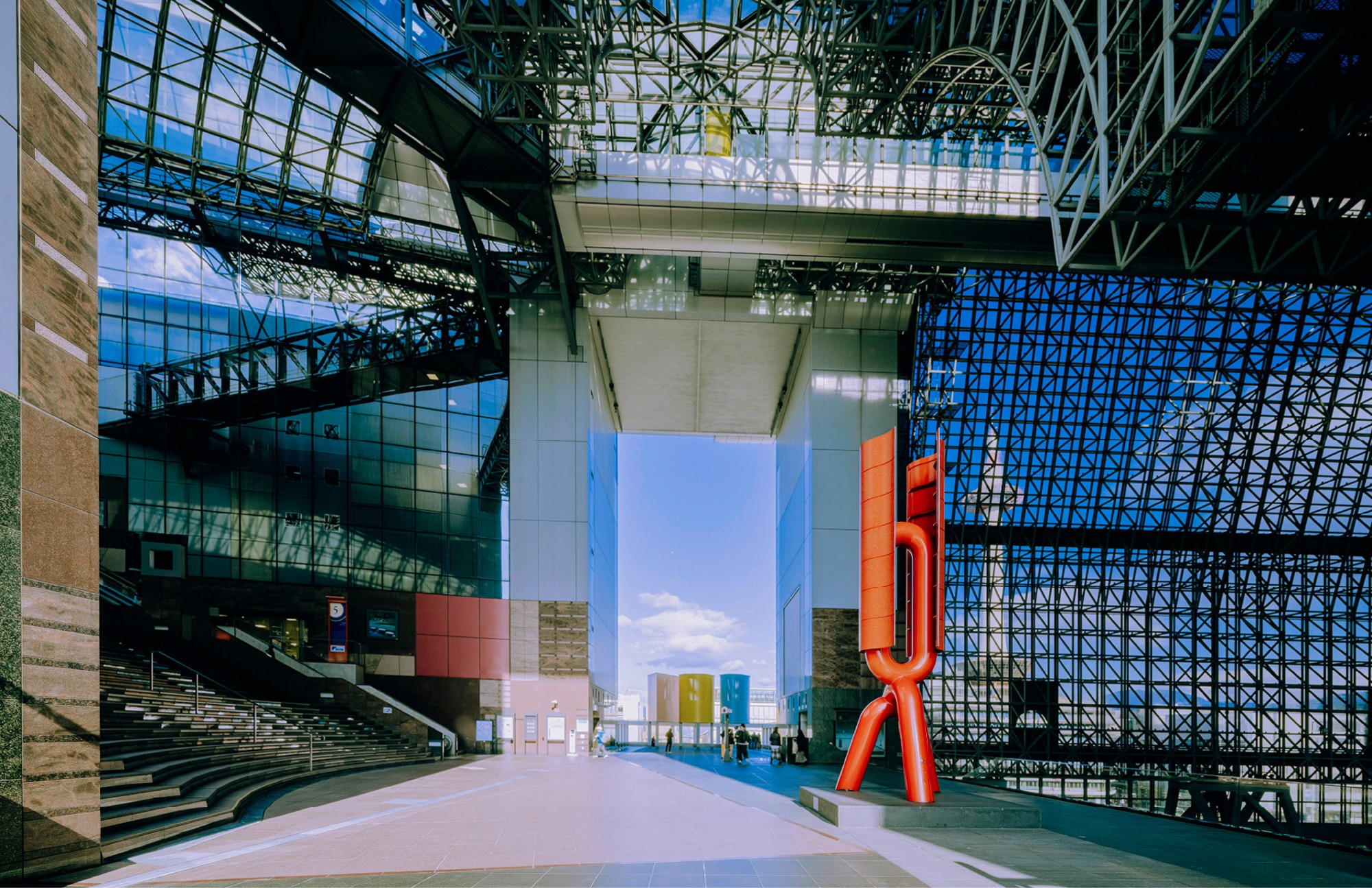
Located at Muromachi Koji Square within the Kyoto Station Building (on the 4th floor, by the Grand Staircase), this space frequently serves as a venue for concerts and various stage events, where the massive staircase itself functions as spectator seating.
The striking vermilion monument that commands attention in the square is titled Shukobu, created by Kyubey Kiyomizu. The work depicts a dancer clad in traditional armor, rendered in the vibrant vermilion hue that has historically adorned the ancient capital of Kyoto.
KYUBEY KIYOMIZU
KYUBEI / ROKUBEY KIYOMIZU was born in Nagoya in 1922 as the third son of Takejuro Tsukamoto. Following his return from military service in the Battle of Okinawa, he studied at the Casting Department of the Faculty of Crafts at Tokyo University of the Arts. In 1951, he became the adopted heir to ROKUBEY KIYOMIZUVI, embarking on a career in ceramics.
While gaining high acclaim as a ceramic artist, his interest in the relationship between "objects" and their surrounding space deepened, leading to the unveiling of his first sculptural work in 1966. In 1968, he assumed the name "KYUBEI" and moved away from ceramic production to focus on his work as a sculptor, primarily utilizing aluminum. His sculptures pursue an "affinity" between structure, material, and space—a creative philosophy that can be observed in his public works installed throughout Japan. Upon the sudden passing of ROKUBEY VI in 1980, he succeeded the title as ROKUBEY VII. In this role, he produced works that intentionally incorporated the natural properties of clay and the distortions caused by firing. By integrating these experiences with his previous sculptural explorations, he developed a new form of creative expression as both KYUBEY and ROKUBEY, producing innovative works that combined ceramics with aluminum, as well as pieces utilizing washi (traditional Japanese paper) and crystal glass.
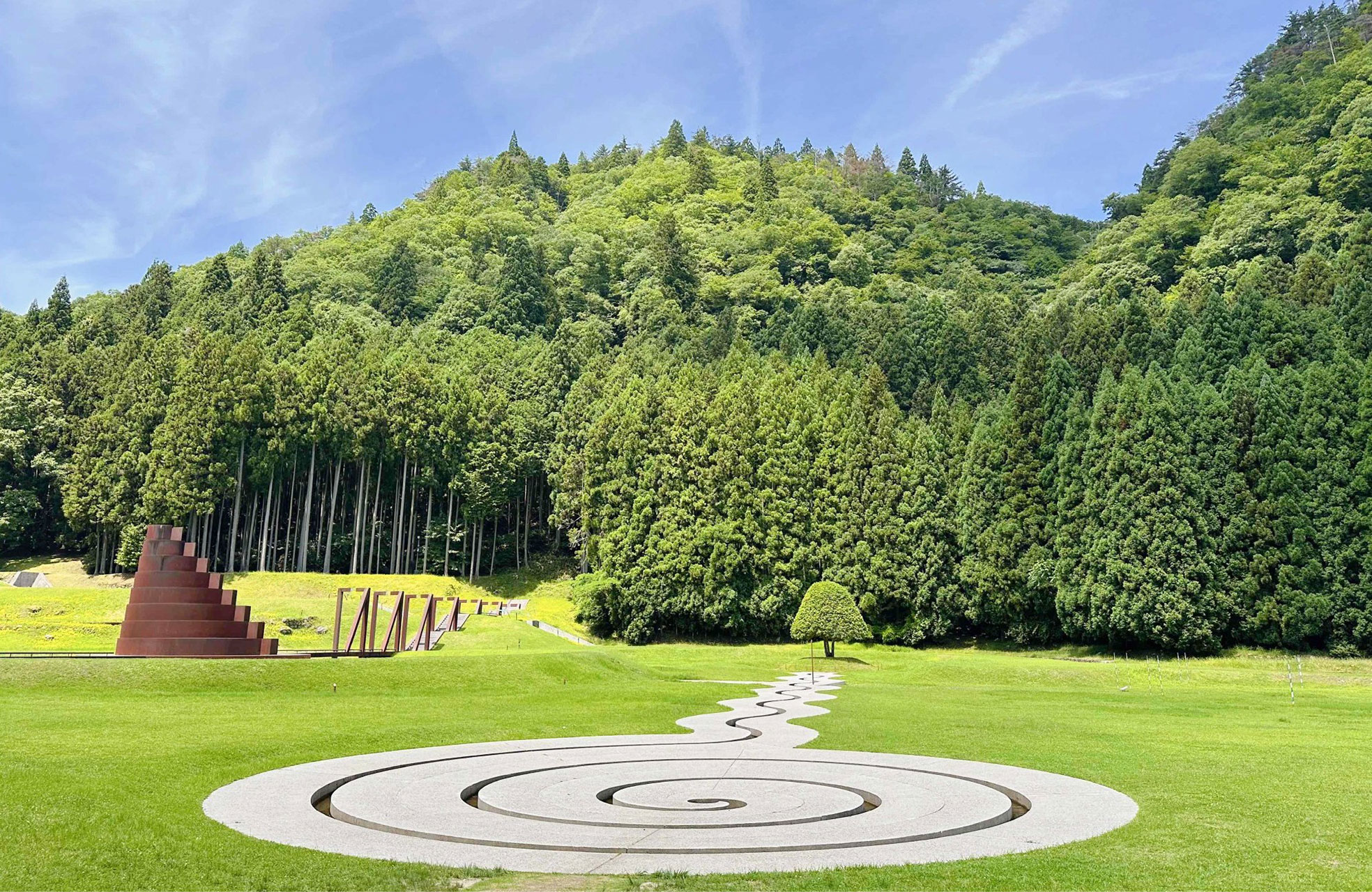
Spiral Waterway
Conceived by the local sculptor Bukichi Inoue and brought to life by Dani Karavan, this entire park is designed as a singular, immersive work of art.
Spanning a 7.8-hectare site, the park opened in 2006 and features a harmonious arrangement of various monuments. As Dani Karavan once remarked, "My work is something that can only be truly savored by standing in it, walking through it, touching it, smelling it, and listening to it." True to his words, the experience changes dramatically depending on the angle and the time of day, as light shifts and sounds echo through the space. The park’s design is deeply conscious of the "Way of the Sun," the 34°32' north latitude line that connects sacred sites from Ise Grand Shrine through Murou-ji Temple to Awaji Island. With iconic structures such as Pyramid Island, the Gate of the Sun, the Tower of Astronomy, and the Spiral Waterway, the space is meticulously crafted to emphasize the profound interplay between light and space.
Dani Karavan
Born in Tel Aviv, Dani Karavan was deeply influenced by his father, a landscape architect. In 1943, he began his artistic training under Marcel Janco in Tel Aviv, and from 1943 to 1949, he studied at the Bezalel Academy of Arts and Design in Jerusalem. After living in a kibbutz from 1948 to 1955, he furthered his education in Europe between 1956 and 1957, studying fresco techniques at the Accademia di Belle Arti in Florence and painting at the Académie de la Grande Chaumière in Paris. He began creating sculptures in the 1960s. Between 1960 and 1973, Karavan also worked extensively in stage design in Israel and New York. Since the 1970s, he has focused on creating numerous "environmental sculptures"—site-specific installations that are completed by integrating the surrounding environment of the exhibition site into the work itself.